When we say "home insurance" or "homeowners insurance," we're referring to House & Property insurance.
Get affordable home insurance in 3 simple steps
Whether you do it yourself online or speak with one of our friendly representatives over the phone, Kin makes it easy to find coverage.


Property info

Customize your quote

Get covered

Tell us about your home.
Answer a few basic questions, and we’ll generate your home insurance quote in minutes.

Personalize your policy.
Customize your coverages, limits, and deductibles to get the protection you need at a price that fits your budget.

Get covered.
Review your quote and sign your application online. Any questions? Our licensed agents are here to help.


What does homeowners insurance cover in San Antonio?
Rest easy knowing your coverage protects what matters most.

Dwelling coverage
for the actual structure of your home, inside and out.

Other structures
for things like your detached garage or shed.

Personal property
for your personal belongings that make your house a home.

Loss of use
for additional living expenses when a covered loss forces you to temporarily relocate.

Personal liability
if you accidentally cause someone bodily injury or property damage.

Medical payments
if a guest is injured on your property.
Did you know?
Texans can now bundle their home and auto insurance policies with Kin for up to a 20% discount on auto insurance.
Up to 20% potential savings based on filed Texas auto insurance rates for qualifying home + auto bundle customers with Kin Interinsurance Nexus Exchange (NAIC: 33987).
Actual savings and eligibility may vary. Discount applies to auto premiums when both home and auto policies are active. Savings are not guaranteed.
Discounts available in San Antonio
Kin customers pay an average of $1,702 per year for home insurance policies with $300,000 in dwelling coverage in Texas, but you can save money by protecting your home, avoiding damage, and selecting sustainable options.
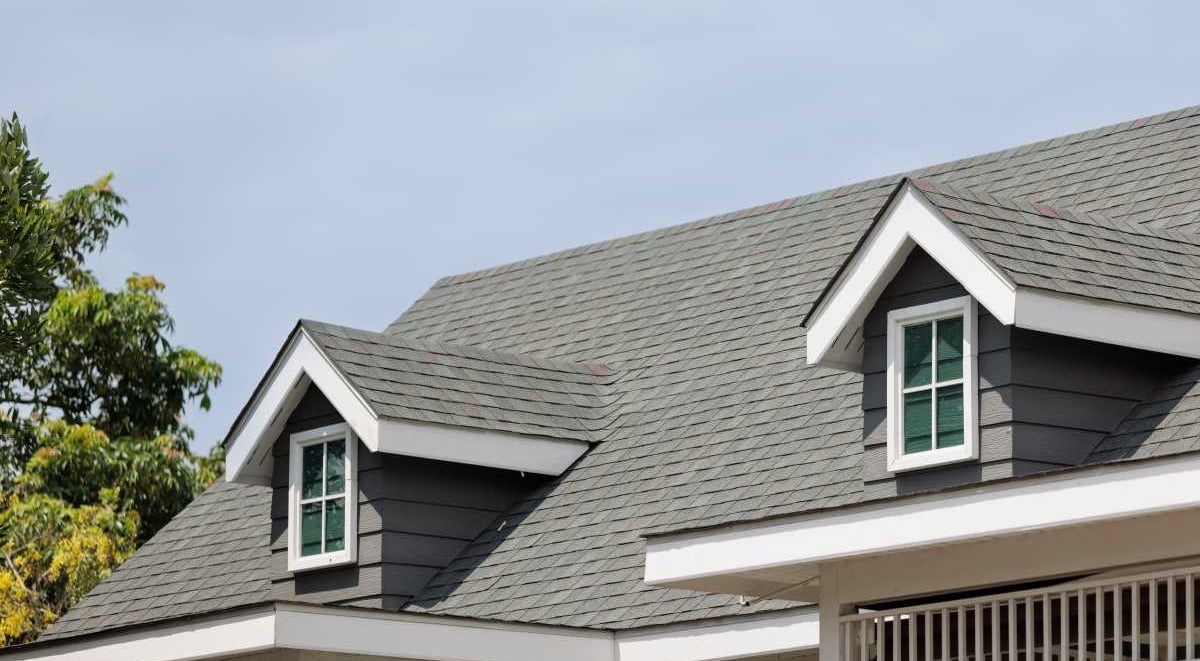

Home security - for installing security or fire alarms (available for nonmobile homes).

Wind mitigation - the more wind-proof your home, the better.

Water detection - because no one wants a flooded home.

Claims-free - for keeping your home safe over the years.

Electronic policy - for reducing your carbon footprint by saving some paper.
Home & auto bundling - for Texans who bundle their home and auto insurance policies with Kin.
Why you'll love Kin
You get more than coverage — you get a team that follows through.

Here to help
We reach out before, during, and after major weather events to make sure you’re okay — and to assist if you need to file a claim.

24/7 claims support
Easily file a claim over the phone with a member of our support team or online in your Customer Portal.

5-star care
Licensed Kin agents are easy to reach and ready to listen. Contact us via email, phone, or live chat.
We've got Texas covered
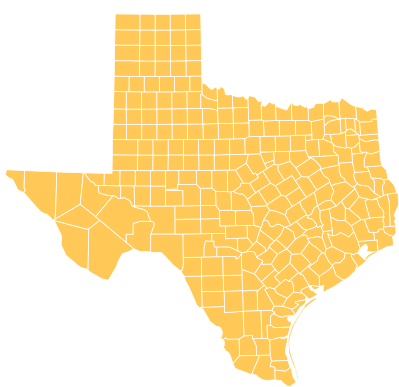
We help Texans find coverage across the entire Lone Star State, including in these major cities.
Common questions about San Antonio home insurance
What’s the average cost of home insurance in San Antonio?
On average, Kin customers pay $1,702 per year for $300,000 in dwelling coverage for home insurance in Texas. Average rates in San Antonio may differ. While San Antonio is less prone to hurricanes than coastal regions, it still faces risk from hailstorms, heavy rainfall, and localized flooding, which can contribute to elevated premiums.
What factors affect home insurance premiums in San Antonio?
Insurance companies look at several key details when pricing policies in San Antonio:
-
Hailstorm and wind event frequency in Bexar County
-
Roof condition and resistance to impact damage
-
Age and construction quality of the home
-
Proximity to fire stations and emergency services
-
Property crime rates in specific neighborhoods
-
Policyholder’s credit-based insurance score
-
Past claims associated with the home or surrounding area
How much home insurance do I need in San Antonio?
To determine appropriate coverage levels, homeowners should consider both local rebuilding costs and personal asset protection:
-
Dwelling coverage. Should equal 100% of the cost to rebuild your home using current materials and labor.
-
Other structures coverage. Typically set to 10% of your dwelling limit to provide financial protection for other structures on your property, such as sheds and detached garages on your property. You may need more coverage depending on the replacement cost of structures.
-
Personal property coverage. Typically at least 50% of your dwelling limit, designed to cover clothing, electronics, and furniture. Completing a home inventory can help ensure you’re adequately protected.
-
Liability insurance. Should be enough to protect your financial assets, including savings, real estate, and investment accounts, if you're held legally responsible for injuries or damages.
-
Medical payments coverage. Offers protection for guests injured on your property (regardless of who is at fault), with common limits ranging from $1,000 to $5,000.
What does home insurance not cover in San Antonio?
Standard home insurance policies have exclusions that homeowners should be aware of:
-
Damage caused by flooding (requires a separate flood policy)
-
Termite or rodent infestations
-
Gradual wear, tear, and lack of maintenance
-
Mold due to long-term water intrusion
-
Foundation movement unless specifically endorsed
See your policy agreement or contact your insurer for full details about exclusions and limitations.
What additional coverages should San Antonio homeowners consider?
Due to the frequency of hail, thunderstorms, and urban development challenges, these add-ons can help improve your protection:
-
Wind and hail coverage if excluded or limited by your home insurance policy
-
Water backup or sump overflow endorsements
-
Ordinance or law protection for older homes needing code upgrades
-
Extended replacement cost coverage to increase your dwelling coverage
Is home insurance required in San Antonio?
There is no statewide mandate in Texas requiring homeowners to carry insurance, but lenders will almost always require it before approving a mortgage. If you financed your home, you’ll likely need to keep a policy until you pay off the mortgage.
Even if you’ve paid off your home, keeping an active policy in place is a smart safeguard against unexpected damages and liability exposure.


