When we say "home insurance" or "homeowners insurance," we're referring to House & Property insurance.
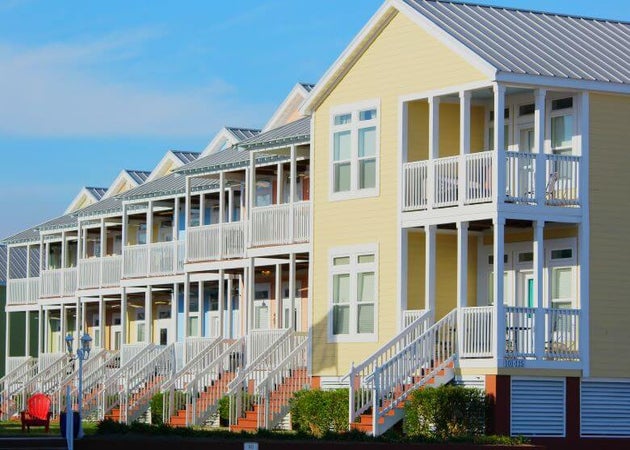
Mississippi sits at the crossroads of some of the country's worst weather risks. Gulf Coast counties face direct hurricane exposure, while inland areas contend with severe storms, tornadoes, and flooding. That geographic range means home insurance needs vary significantly across the state. Understanding how coverage works here is the first step to making sure your home is properly protected.
Mississippi home insurance requirements
Mississippi does not legally require homeowners insurance. However, if you have a mortgage, your lender will require coverage to protect their financial interest in the home. Either way, the right coverage does more than satisfy a lender — it protects what is likely your largest financial asset. Here's how a standard Mississippi home insurance policy is structured.
How does homeowners insurance work in Mississippi?
This short video walks you through how to get a quote and what insurance covers. Click a topic on the video to jump straight to what matters most to you.
What does home insurance include in Mississippi?
Home insurance policies are divided into different coverage types, each addressing a specific part of your home or financial life. Knowing what each one does — and how much you need — makes it easier to build a policy that fits.
Dwelling coverage (Coverage A)
Dwelling coverage protects the structure of your home, including:
-
Walls, floors, and ceilings
-
Roof
-
Foundation
-
Built-in appliances and fixtures
-
HVAC, plumbing, and electrical systems
-
Attached structures, like garages and decks
Your dwelling coverage limit should reflect what it would cost to rebuild your home from the ground up — not what you paid for it or what it would sell for today. That figure, known as your home's rebuild or replacement cost, factors in local labor rates, material costs, and your home's size and construction type.
In Mississippi, all these inputs have been trending upward. Labor shortages across the South, rising material costs, and stricter building code requirements in coastal zones have pushed rebuild costs higher. Setting your limit accurately — and revisiting it each time your policy renews — helps make sure you're not left covering excess costs out of pocket after a major loss.
Other structures coverage (Coverage B)
Other structures coverage applies to detached structures like:
-
Sheds
-
Fences
-
Detached garages
-
Permanently installed or anchored boat docks
Most insurers set other structures coverage at 10% of your dwelling coverage policy limit, but you can increase the coverage if you need more to protect all the detached structures on your property.
Personal property coverage (Coverage C)
Personal property coverage is for your belongings, such as:
-
Clothing and jewelry
-
Electronics and appliances
-
Furniture and decor
-
Tools owned for personal use
-
Sports and hobby equipment
Coverage for high-value items, such as heirlooms, jewelry, and high-end electronics, is usually limited further to around $1,500 per claim. However, you may be able to add extra coverage to your policy — called an endorsement — to cover these items for their appraised value.
Tip: Creating a home inventory can help you determine how much personal property coverage you need and make filing future claims easier.
Loss of use coverage (Coverage D)
Also called additional living expenses (ALE), loss of use coverage helps pay for temporary housing, up to your policy limit, if your home becomes uninhabitable after a covered loss or if a mandatory evacuation forces you to leave your home. It will also help cover additional costs you incur from being displaced, like food costs, laundry services, or pet boarding.
ALE is especially important along the coast, where mandatory hurricane evacuations may require travel inland to cities like Jackson or Hattiesburg.
Personal liability and medical payments coverage (Coverages E & F)
Personal liability and medical payments cover financial and legal risks if someone injures themselves on your property or if you or a household member accidentally damages someone else’s property.
-
Personal liability coverage pays for your legal defense and damages when someone sues you and you’re found at fault.
-
Medical payments cover minor injuries if a guest gets hurt on your property, regardless of fault.
Perils and exclusions: What’s covered and what’s not in Mississippi?
Mississippi home insurance covers causes of damage (called perils in the industry) like fire, hail, lightning, and wind. Covered perils are what your insurer will pay for. Excluded perils are not covered.
Depending on your policy, perils might be covered as follows:
-
Open-peril coverage: Covers everything except what's specifically excluded in your policy. Under a standard homeowners policy (HO-3), your dwelling and other structures are covered this way.
-
Named-peril coverage: Only covers the specific causes of damage listed in your policy. Under a standard policy, this applies to your personal property and loss of use.
Common homeowners insurance exclusions in Mississippi
No policy covers everything. When you run into a gap, you have two options: an endorsement — optional add-on coverage you can purchase to broaden your existing policy — or a separate standalone policy. The "big three" exclusions in Mississippi you should be aware of are:
-
Flooding: Standard homeowners insurance doesn’t cover flooding, including damage from rising water and storm surges. If your home insurance company doesn’t offer a flood endorsement, you can purchase flood coverage separately from a private insurer or the National Flood Insurance Program.
-
Earth movement: Insurers won’t cover damage from earthquakes, sinkholes, landslides, mudslides, or soil subsidence. Although it’s rare, certain areas of the Mississippi delta plain experience shifting soils that could damage your home, so adding this coverage could be worth it depending on your location.
-
Lack of maintenance, including pest infestations: Homeowners insurance only covers sudden, accidental damage. Damage resulting from wear and tear or neglected maintenance is not covered. This includes issues like termite damage, which should be preventable with proper upkeep.
-
Worth noting: Mississippi is in Termite Hazard Zone 1, the highest risk category in the United States. Damage from species like Formosan termites can be especially severe. It may not be easy to detect until substantial damage has occurred. Formosan termite colonies can appear anywhere in Mississippi, making annual termite inspection and treatment worth considering.
Additional home insurance coverage to consider in Mississippi
Mississippi home insurers let you tailor your policy with optional add-on coverages. Here are a few worth considering:
-
Water backup and sump pump overflow: Heavy Southern rain can overwhelm draining systems, causing backups within your home. This coverage helps pay for damage from sewer backups and sump pump failures.
-
Equipment breakdown coverage: Extreme heat waves are common in Mississippi’s subtropical humid climate. This coverage protects major systems that could break when you least expect it, including HVAC units, refrigerators, and electrical systems.
-
Service line coverage: Underground utility lines are common in older and historic neighborhoods throughout Mississippi. Service line coverage can help pay for damage to cables, power lines, water pipes, or the main sewer line that runs from your house to the street.
-
Difference in conditions (DIC) policies: A DIC policy can fill coverage gaps to “wrap around” a basic Windpool policy for excluded perils, such as liability and theft.
The cost of home insurance in Mississippi
How much you pay for homeowners insurance in Mississippi depends on your home’s characteristics and your risk profile. Insurance companies consider several factors when determining the cost of your policy (called your premium). This includes the home’s location, age, size, construction type, and roof condition, as well as details specific to you like your credit and claims history.
One of the biggest drivers in cost is the amount of dwelling coverage you need. Ideally, your dwelling coverage policy limit should equal 100% of the cost to rebuild your home today if it were a total loss. This is different from its market value, which considers the value of the land and the current real estate market.
On average, homeowners insurance in Mississippi costs $1,897 per year for a Kin policy with $350,000 in dwelling coverage. The table below illustrates how average rates vary based on the dwelling coverage amount.
|
Dwelling coverage limit |
Average policy cost |
|
$350,000 |
$1,897 |
|
$500,000 |
$2,710 |
|
$750,000 |
$4,065 |
|
$1,000,000 |
$5,420 |
Average premiums for Kin home insurance customers as of August 2026. Individual rates will vary.
Home insurance costs by region in Mississippi
Location also plays a major role in home insurance pricing. Coastal ZIP codes like 39553 often see significantly higher premiums because of greater hurricane and wind risk. Inland homes, such as those in the 38637 area, pay much lower average rates because of less exposure to storm surge and high-wind events.
Insurance challenges in Mississippi
Finding homeowners insurance through private insurers can be challenging in Mississippi, especially if you live in the following coastal counties:
-
George
-
Hancock
-
Harrison
-
Jackson
-
Pearl River
-
Stone
For those who can’t find coverage elsewhere, the Mississippi Windstorm Underwriting Association (MWUA) — commonly called the “Windpool” — acts as the insurer of last resort for coastal properties in these counties. Windpool policies only cover wind and hail damage, so they're limited in scope, but that doesn’t mean they are cheap.
Windpool rates have been rising. The Mississippi Insurance Department recently approved a 16% rate increase, which most policyholders will see when their policy renews. The increase reflects the growing cost of insuring homes in high-risk areas. More frequent and severe storms mean bigger potential losses, and that risk gets passed on to homeowners.
Still, because Windpool policies don’t include protection for fire, liability, or theft, you’ll need to purchase supplemental coverage to protect your home fully, especially if you need to meet your mortgage lender’s insurance requirements.
Hurricane deductibles and coastal risk management
All home insurance policies come with a deductible. This is the amount of damage you’re required to cover out of pocket in the event of an approved claim. For homes in high-risk coastal areas, policies often include a separate hurricane or named storm deductible on top of the standard one. These terms are generally used interchangeably.
Unlike a standard fixed-dollar deductible, a hurricane deductible is percentage-based, meaning you pay a percentage of your dwelling coverage rather than a set dollar amount. It's triggered once the National Hurricane Center issues a hurricane or named storm watch or warning, and remains in effect until 24 hours after the last watch or warning is lifted.
Common hurricane deductibles in Mississippi are 2%, 5%, or 10%. For example, if your home is insured for $300,000 and you have a 5% hurricane deductible, you'd pay $15,000 out of pocket before your insurance coverage applies.
Mitigation and the 2026 Strengthen Mississippi Homes program
Mississippi is focusing more on prevention in 2026. New laws and programs are available to help homeowners strengthen their homes and lower long-term insurance costs.
The Make Mississippi Resilient and Strong Act supports statewide efforts to reduce storm damage and improve home resilience, especially in high-risk areas. Free wind and hurricane mitigation inspections are available for homeowners to learn about improvements that will fortify their homes against hurricane damage. The inspection report will also explain discounts that might be available and a savings estimate.
The new law also requires home insurers to contribute funds to the Strengthen Mississippi Homes grant. The program provides up to $10,000 per homeowner for roof upgrades to meet FORTIFIED roof standards that were developed by the Insurance Institute for Business & Home Safety (IBHS). Homeowners can use the grant money to strengthen roof decking, seal a roof to prevent water intrusion, or improve fastening to resist high winds.
These improvements, as well as installing wind-resistant shutters, can significantly reduce storm damage from hurricanes and windstorms. You may also see your home insurance rates decrease — sometimes significantly.
Mississippi insurance laws and consumer protections
Mississippi has also introduced several new laws and consumer protections for homeowners.
-
The 45-day notice period (HB 1611): Under a new 2026 law, insurers must provide at least 45 days’ notice before canceling or choosing not to renew a policy. This gives homeowners more time to shop for new coverage.
-
No-fault accident protection: Helps protect homeowners from unfair rate hikes by preventing insurers from increasing premiums due to claims for which they were not at fault.
-
Roofing contractor standards: Mississippi has implemented stronger licensing requirements for roofing contractors to reduce fraud after major storms.
How to save on your Mississippi premium
Here are a few ways to save on the cost of homeowners insurance in Mississippi:
-
Bundle your policies: Bundling, or purchasing two or more insurance products from the same company (like home and auto insurance), usually qualifies customers for a multi-policy discount.
-
FORTIFIED home credits: Receiving IBHS certification after upgrading your home’s roof to FORTIFIED standards may result in significant savings.
-
Deductible choices: Choosing a higher deductible can lower your premium. But it also means paying more out of pocket in the event of an approved claim, so make sure you can afford the higher cost before changing your deductible.
How to navigate a Mississippi insurance renewal
If you receive a nonrenewal notice, acting quickly can help you avoid gaps in coverage. Take these steps as soon as possible:
-
Understand why you received the nonrenewal notice. The information should be on your notice, or you can contact your insurer for details.
-
Correct any issues listed in the notice or those that would prevent you from buying insurance from a different company.
-
Contact your current insurance company if you wish to appeal the nonrenewal.
-
Start comparing quotes from several other insurance companies, including surplus lines insurers who cater to high-risk or hard-to-insure homes.
-
Explore Windpool options if you are denied coverage from private insurers.
-
Consider a difference in conditions policy in addition to a Windpool policy for broader protection.
Frequently asked questions about Mississippi home insurance
Is homeowners insurance expensive in Mississippi?
Yes. Due to hurricane risk and severe weather patterns, Mississippi homeowners insurance tends to cost more than the national average, especially in coastal areas. According to the latest data available from the Consumer Federation of America, the average premium for Mississippi homeowners across several major insurers is $3,670 per year for $350,000 in dwelling coverage. The nationwide average is $3,303.
Does homeowners insurance cover sinkholes?
No. Earth movements, such as sinkholes, are typically excluded in standard homeowners insurance policies. A sinkhole coverage endorsement or separate policy may be available from some insurance providers.
What is the Strengthen Mississippi Homes grant for 2026?
It’s a state-supported and funded program that provides up to $10,000 to eligible homeowners to upgrade their roofs and improve storm resistance by complying with the IBHS FORTIFIED roof standards.
How does a 5% hurricane deductible work in MS?
A 5% hurricane deductible means you pay 5% of your home's insured value out of pocket in the event of an approved claim. Insurance would help cover the rest of the damage, up to your policy limit. For example, if your home is insured for $300,000, your deductible would be $15,000.
Can I appeal a nonrenewal under the 2026 45-day law?
Yes. Contact your insurance company as soon as possible to discuss the reasons for nonrenewal and provide supporting documentation for the appeal. It’s still a good idea to shop for new insurance, as there is no guarantee your insurer will reinstate your policy.
Is flood insurance required if I don't live on the coast?
Flood insurance is usually required if you live in a high-risk flood zone and have a mortgage, regardless of whether your home is inland or on the coast. It’s optional otherwise, but strongly recommended. Flooding can happen anywhere, and standard homeowners insurance does not cover it.


