When we say "home insurance" or "homeowners insurance," we're referring to House & Property insurance.
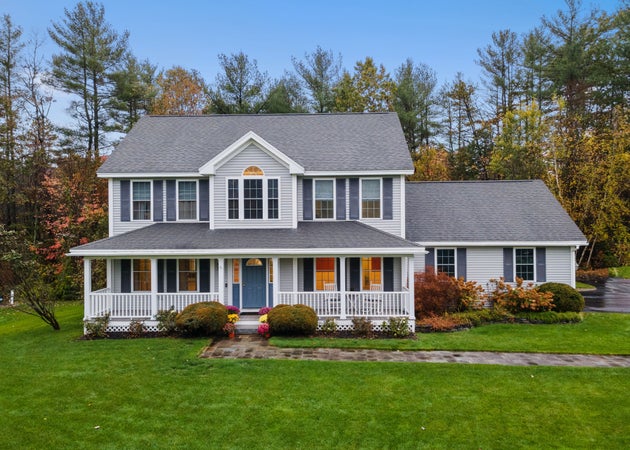
Tennessee homeowners are navigating a changing insurance landscape shaped by severe weather, rising rebuilding costs, and the aftermath of events like Winter Storm Fern in 2026. From flooding and wind risks near the Mississippi River in Memphis to storm and wildfire risks in the Great Smoky Mountains, Tennessee’s diverse geography make it vital that you find reliable homeowners insurance to protect your long-term financial stability.
Tennessee home insurance requirements
Tennessee law doesn't require homeowners to carry home insurance. But if you have a mortgage, your lender will — and that's true no matter which state you live in. Lenders have a financial stake in your home until the loan is paid off, so they require a policy to be in place to protect that investment if something goes wrong.
How does homeowners insurance work in Tennessee?
This short video walks you through how to get a quote and what insurance covers. Click a topic on the video to jump straight to what matters most to you.
What does Tennessee home insurance cover?
Your Tennessee home insurance policy includes several coverage types that combine to protect the financial investment you’ve made in your home in the event of a covered loss.
Dwelling coverage (Coverage A)
Dwelling coverage is the foundation of your policy. It helps pay to rebuild or replace the structure of your home, including:
-
Walls, ceilings, and floors
-
Roof and foundation
-
Built-in fixtures and appliances
-
Electrical, HVAC, and plumbing systems
-
Attached structures, such as garages, decks, and porches
Your dwelling coverage limit should reflect the cost to rebuild your home from the ground up — called its replacement cost. This is not the same as its market value or purchase price, which considers the land your home sits on and real estate trends. Replacement cost factors in your home's size and age, as well as the current cost of materials and labor.
In Tennessee, rebuild costs have increased in recent years due to severe weather losses, inflation, and rising construction costs following events like Winter Storm Fern in 2026. Material shortages and higher labor demand after tornadoes, windstorms, and flooding events can also increase rebuild costs across parts of the state.
Pro tip: Reviewing your dwelling coverage regularly can help ensure your policy keeps pace with local and regional changes that can affect your rebuilding costs and coverage needs. A licensed agent can help you assess your coverage limits and adjust them accordingly.
Other structures coverage (Coverage B)
Other structures coverage provides financial protection for structures on your property that are not attached to your primary dwelling. This can include:
-
Detached garages
-
Sheds
-
Fences
-
Gazebos
-
Barns or workshops
-
Permanently installed detached carports
Note that if any of these structures are used for business purposes, you’ll likely need additional coverage.
Most insurers automatically set Coverage B at about 10% of your dwelling coverage limit, though you may be able to increase it if your property includes higher-value detached structures.
Personal property coverage (Coverage C)
Personal property coverage helps cover the costs to replace the contents of your home following a covered loss. This can include:
-
Furniture and decor
-
Clothing and shoes
-
Electronics and appliances
-
Tools for personal use
-
Sports and hobby equipment
-
Jewelry and collectibles (however, most policies set a lower limit on these items — often $1,500 — regardless of their actual value)
Think of personal property as everything in your home that is not attached to it — from your clothes and shoes to your furniture, portable appliances, and cookware. Completing a home inventory can help you determine how much personal property coverage you need.
Pro tip: Personal property claim payouts typically reflect the depreciated value of your items, also known as actual cash value (ACV). For better protection, consider upgrading your policy with replacement cost value coverage (RCV), which pays to replace damaged items with new ones based on current market prices.
Loss of use coverage (Coverage D)
Loss of use coverage, also known as additional living expenses (ALE), kicks in to help you manage costs if your home becomes uninhabitable due to a covered loss. It can help pay for a range of expenses, including:
-
Hotel stays
-
Temporary rentals
-
Restaurant meals
-
Laundry services
-
Pet boarding
Loss of use coverage can also apply if a mandatory evacuation forces you to leave your home because of a covered event. This is particularly valuable in Tennessee, where tornado outbreaks, severe winter storms and flooding events can lead to temporary displacement.
Liability and medical payments coverage (Coverages E & F)
Personal liability and medical payments are important parts of your policy that provide financial protection in two specific scenarios:
-
Personal liability coverage helps pay for legal defense costs, settlements, and damages if you or a member of your household is responsible for another person’s bodily injury or property damage.
-
Medical payments coverage helps pay for smaller medical expenses if a guest is injured on your property, regardless of fault.
Perils and exclusions: What is covered in Tennessee and what is not?
A Tennessee home insurance policy covers damage from specific risks — called perils — like fire, theft, windstorms, hail, and vandalism. The type of policy you have determines which perils are covered.
-
Open-peril policies cover all causes of damage except those specifically excluded within your policy documentation. Standard homeowners policies, or HO-3s, cover your dwelling on an open-perils basis.
-
Named-peril policies cover only the causes of damage outlined in your policy. Damage caused by anything else is excluded. Personal property is typically covered on a named-perils basis by a standard homeowners insurance policy.
What is excluded from standard home insurance coverage?
The following are typical home insurance exclusions:
-
Flooding: A standard policy doesn’t cover damage from water that rises from the ground (e.g., breached levees, overflowing streams, etc.) or storm surges. To protect against flood damage in the Volunteer State, you’ll need flood insurance. You can purchase a flood policy from some private insurers or through the National Flood Insurance Program.
-
Earthquakes: Damage from earthquakes is excluded from coverage unless you have an earthquake insurance endorsement or a separate earthquake policy.
-
Sinkholes: The climate conditions and geology of the Volunteer State make it prone to sinkholes, but resulting damage is not covered by a standard policy. However, Tennessee law requires insurers to offer optional sinkhole coverage.
-
Termites: Tennessee’s humid climate creates ideal conditions for subterranean termites. Insurers classify termite damage as a maintenance issue rather than a sudden or accidental loss, so a standard insurance policy won’t cover it.
Additional home insurance coverage to consider in Tennessee
Standard policies cover many of the most common losses, but there are ways to enhance your policy and further protect your home in Tennessee. Consider these optional add-ons, called endorsements in industry-speak.
-
Water backup and sump pump overflow: Heavy rains can easily overwhelm municipal sewer lines, potentially causing your sewer to back up or your sump pump to fail. Adding sewer backup coverage can help reduce out-of-pocket expenses in the event of related damage.
-
Service line coverage: Another useful add-on is service line coverage — particularly in older areas of cities like Knoxville or Nashville, where underground infrastructure is aging. Repairs often require excavation, which can be expensive without coverage.
-
Equipment breakdown coverage: Tennessee’s extreme temperatures can push HVAC systems to the limit. While it doesn't cover basic wear and tear, equipment breakdown coverage can help with the cost of sudden mechanical or electrical failures — like a motor burning out or a power surge — that standard home insurance typically doesn't cover.
-
Ordinance or law coverage: If you live in a historic district like Franklin or Memphis, repairs or rebuilds following a covered loss must meet updated codes and regulations. Ordinance or law coverage can help cover expenses associated with bringing your property up to code.
The cost of home insurance in Tennessee
The average cost of homeowners insurance in Tennessee is $1,208 per year for a Kin policy with $350,000 in dwelling coverage. Your dwelling coverage amount is a major factor in your policy price (called your premium) because it represents the estimated cost to rebuild your home from the ground up.
The table below illustrates how average rates vary based on the dwelling coverage you need.
|
Dwelling coverage limit |
Average policy cost |
|
$350,000 |
$1,208 |
|
$500,000 |
$1,726 |
|
$750,000 |
$2,589 |
|
$1,000,000 |
$3,453 |
Average premiums for Kin home insurance customers as of September 2026.
Several other factors impact your premium, as well. Your property’s location (down to the ZIP code) plays a major role. Homeowners in higher-risk regions — like those that are more prone to storm damage or crime — often pay more for coverage.
The age and condition of your home matter, too, as do its construction materials. The coverage types and levels you choose, plus your credit history and past insurance claims, are also factored into your premium.
How to save on Tennessee home insurance
Even with rates rising across the nation, there are still ways to potentially lower the cost of home insurance in Tennessee.
-
Impact-resistant roofing: Hailstorms are common in Tennessee and can cause significant damage to your roof. Installing Class 4 impact-resistant shingles can toughen your roof against the elements and help you qualify for discounts.
-
Bundling: Another common way to earn substantial savings is by bundling. This means purchasing multiple insurance products — like home and auto coverage — from the same company.
-
Improving your credit: Paying bills on time and reducing debt can improve your credit-based insurance score, which often leads to lower premiums. Generally, homeowners with "excellent" credit qualify for the most competitive rates.
-
Adjusting your deductible: A deductible is the amount of damage you agree to pay out of pocket in the event of a covered claim. Then, insurance kicks in to cover the rest, up to your policy limits. Choosing a higher standard deductible will lower your premium. However, the best deductible is one you can pay on short notice without draining your emergency fund.
Tennessee wind and hail deductibles
Because Tennessee is prone to severe thunderstorms and tornadoes, many policies include a separate deductible specifically for wind and hail damage. Unlike your standard deductible, this is often calculated as a percentage of your home’s dwelling coverage.
Here’s how it works. If your home is insured for $300,000 and you have a 2% wind and hail deductible, you would pay $6,000 out of pocket for roof damage caused by a storm.
This deductible applies only to wind-related events. If you have a fire, you pay your standard flat deductible (e.g., $1,000). If a tornado hits, you pay the percentage-based one ($6,000).
A higher percentage deductible will lower your yearly premium, but it significantly increases your financial responsibility after a storm.
How to navigate a Tennessee insurance renewal
Before your Tennessee home insurance policy renews, follow these steps:
-
Review your dwelling coverage limit to ensure that it still aligns with the rebuild cost of your home. Upgrades and additions can increase the value of your home, and inflation can drive up costs. All these things can potentially leave you underinsured. A licensed agent will help you determine if your levels of coverage are still appropriate.
-
Check your personal property limit. Create a home inventory if you have not. If you already did, make sure it’s up to date. Then, review your current personal property coverage limit. Is it high enough? Work with your agent to make adjustments as needed.
-
Shop around. Get quotes from at least three different home insurance companies to compare. Make sure to specify the same types and levels of coverage each time so the comparison is fair.
Dealing with home insurance nonrenewal in Tennessee
Tennessee is one of 17 states that does not have a FAIR Plan, or insurer of last resort for homes that are too risky to insure in the standard market. If you receive a nonrenewal from your insurance company and can’t appeal or didn’t win, you may need to consider other options, like a surplus lines insurer.
Frequently asked questions about Tennessee home insurance
Why is homeowners insurance so high in Tennessee?
Several factors contribute to high homeowners insurance rates in Tennessee. Construction costs are rising, and severe weather events are causing more frequent and costly damage. Insurance companies adjust rates to ensure they can cover future losses, particularly following widespread disasters like Winter Storm Fern in 2026, which resulted in a high volume of claims across the state.
Does homeowners insurance cover termites in Tennessee?
No. Termite damage is considered a maintenance issue and is not covered by homeowners insurance.
How does my credit score affect my Tennessee insurance rate?
Your credit can significantly impact your home insurance costs. Homeowners with excellent credit pay significantly less for the same coverage as those with poor credit. You can boost your credit-based insurance score and secure the lowest insurance premiums possible by reducing your total debt and paying your bills on time.
Is it common in Tennessee to have sinkholes?
The heavy rainfall and limestone bedrock throughout Central and Eastern Tennessee make these areas prone to sinkholes and catastrophic collapse. Homeowners insurance doesn’t automatically cover sinkholes. While Tennessee law requires insurers to offer sinkhole coverage, many companies will want to see a professional inspection before adding it to your policy.
Does Tennessee get earthquakes?
The Central U.S., including parts of Tennessee, has an estimated 25 to 40% chance of experiencing a magnitude 6.0 or greater earthquake within the next 50 years. This includes the New Madrid Seismic Zone in Western Tennessee and the East Tennessee Seismic Zone. Since standard homeowners insurance doesn’t cover earthquake damage, you’ll need to add it as an option to your current policy or purchase a standalone policy from a specialty provider.


