





Home hardening involves upgrading your home to resist external threats. While it’s often associated with wildfires, hardening your home can also help protect it from hurricanes or floods. Home hardening strategies focus on improving a home’s structural integrity and managing the surrounding vegetation to create a defensible space.
What is home hardening?
Home hardening means strengthening your home’s structure and surrounding areas to withstand certain hazards (called perils in the insurance world). There are many ways to harden your home against risks like:
- Ember intrusion: Many homes destroyed by wildfires don’t burn from a wall of fire overtaking the home. They ignite from wind-blown embers.
- Wind uplift: Upward force from extreme winds can lift, detach, or destabilize a structure, such as when hurricane winds lift a roof or roofing components off a home.
- Hydrostatic pressure/seepage: Standing water can place horizontal pressure on a structure, causing flood damage and even displacing buildings.
Certain forms of home hardening could potentially even save you money. Home insurance companies price policies based on risk. For instance, installing a metal or asphalt roof and removing anything combustible within a 5-foot perimeter around your home can help you secure lower-cost coverage. And you may even qualify for financial incentives in your state in the form of grants or tax breaks.
Wildfire home hardening tips
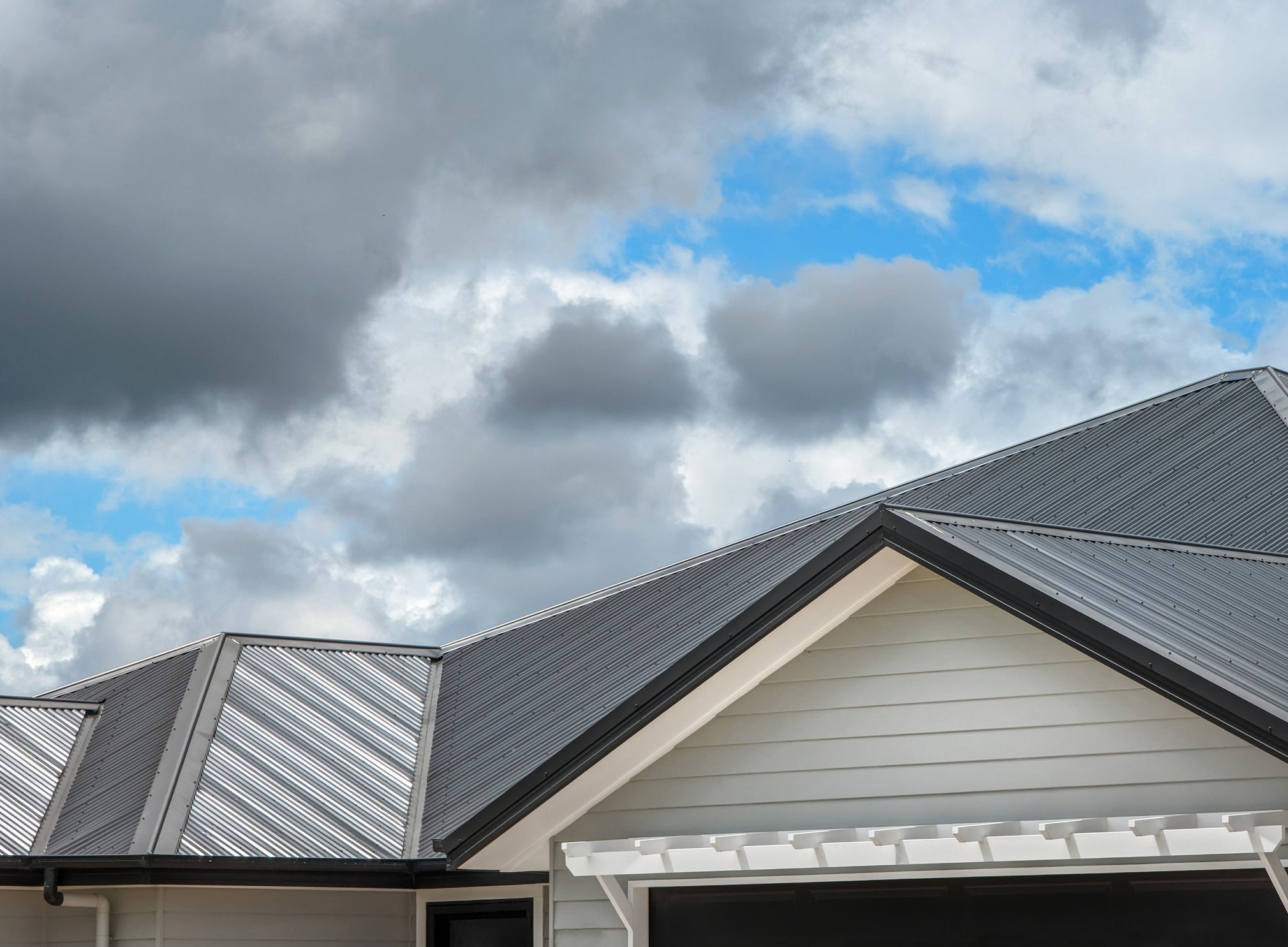
Think of wildfire hardening as a win-win. The same moves that keep your home safe can also keep your insurance costs in check. But to get the most bang for your buck, speak with your insurer before you start. They can point out which specific upgrades will actually move the needle on your premiums.
- Roofing materials: Installing Class A roofing materials provides the best resistance to fire. Fire-resistant materials include metal, treated wood shakes, slate, and clay or concrete tiles.
- Vents: Installing ⅛-inch mesh screens over vents can prevent embers from entering your home. You can also buy temporary vent covers to install when a wildfire approaches.
- Windows: Multi-pane windows made of tempered glass resist breakage during a wildfire. If you have vinyl windows, make sure you have a vertical or horizontal reinforcement bar to prevent gaps from forming.
- Siding: Flames can penetrate exterior walls. Non-combustible siding materials, such as fire-retardant wood, metal siding, or three-coat stucco, provide better resistance.
Hurricane hardening and wind home hardening tips
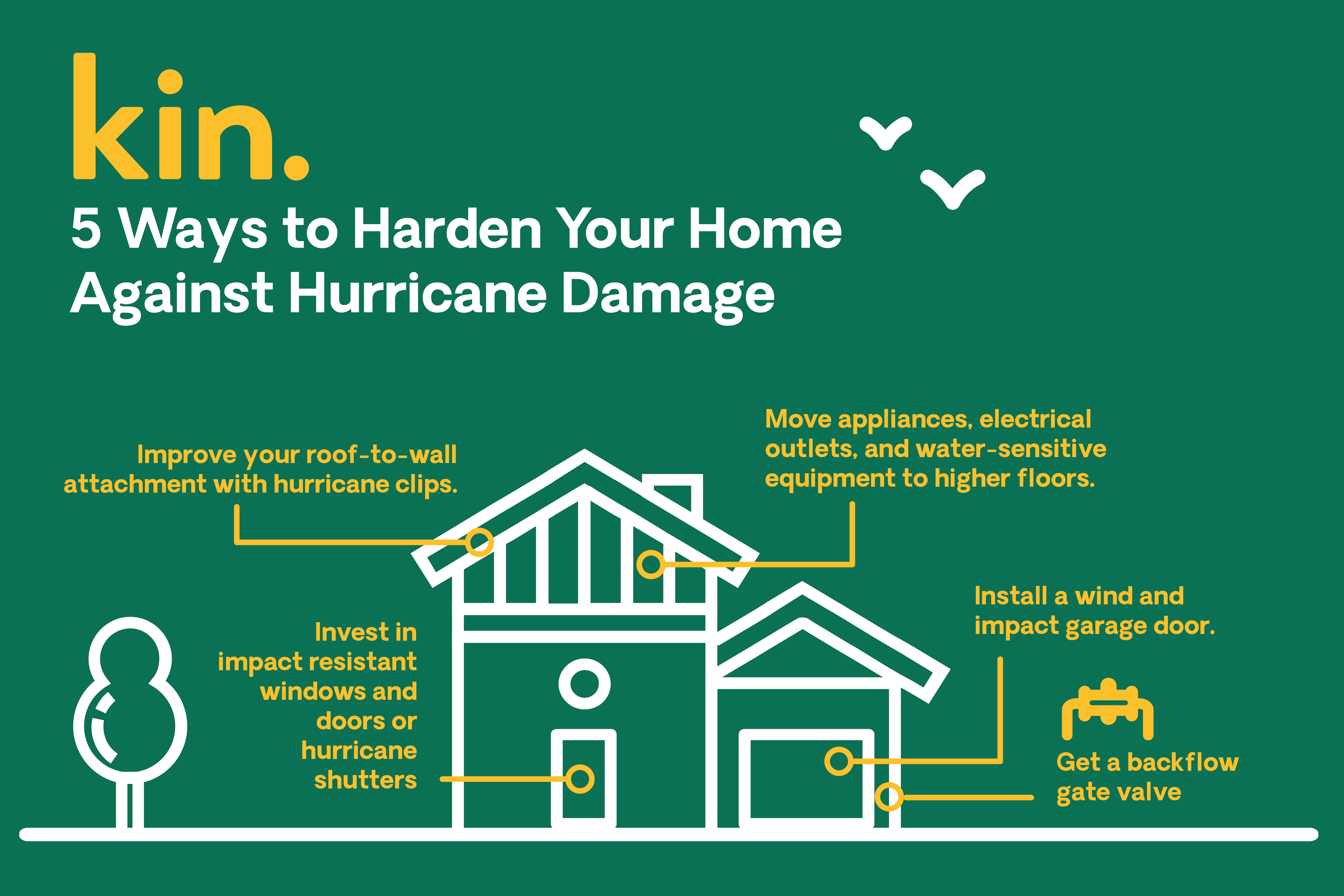
Wind mitigation protects your home by strengthening its resistance to hurricanes and windstorms. Upgrades should focus on the “continuous load path,” a structural design technique that uses interconnected parts of your home to transfer pressure from the roof and walls down through the foundation. Upgrades that can boost your home’s wind resistance include:
- Hurricane straps and clips: Metal connectors secure your roof to the rest of the home and reinforce the connection between trusses or rafters and the wall.
- Anchor bolts: Installing anchor bolts helps your home’s frame remain attached to the foundation.
- Secure openings: Installing impact-resistant windows, storm shutters, wind-rated garage doors, and wind-rated vents can harden your home against weather events.
- Secondary water barriers: Adding a second layer of protection beneath your roofing materials, such as a self-adhering membrane, can provide temporary protection if the roof covering is lost or damaged.
Flood home hardening tips
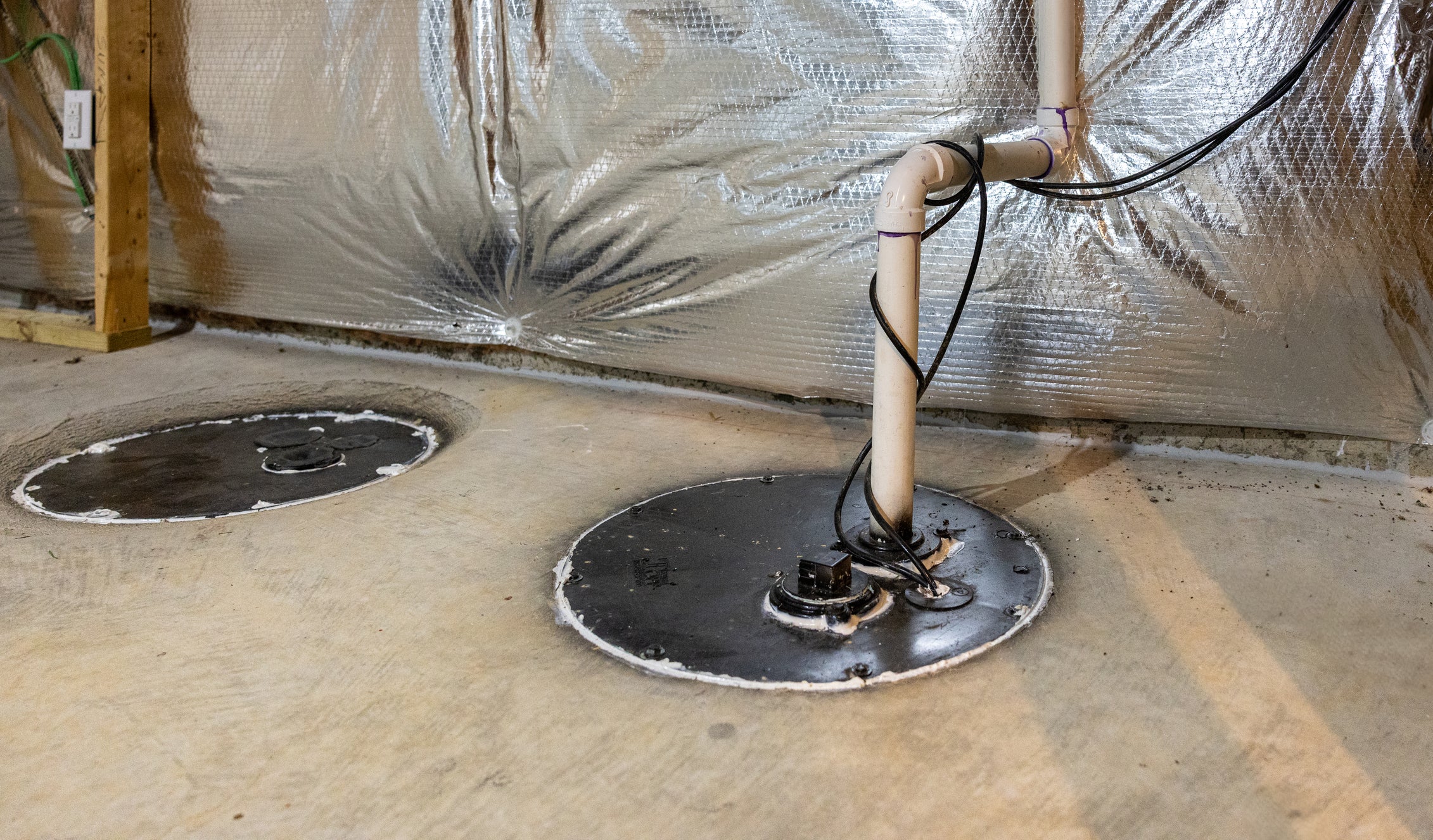
Floodproofing tactics can be separated into two categories:
- Dry floodproofing: This process of hardening your home to keep water out may include:
- Sealing basement walls with waterproof compounds
- Sealing cracks and openings in your foundation and exterior walls
- Installing waterproof vent covers for lower level vents
- Installing sealed-gasket flood doors in your first floor doorways
- Placing removable flood gates on entryways when floodwaters rise
- Installing a sewer backflow valve
- Retrofitting your exterior walls with waterproof veneers (a secondary masonry layer backed by a waterproof membrane)
- Wet floodproofing: This process of allowing water to flow through open areas without causing structural damage may include:
- Installing flood vents in foundation walls, garages, and other areas
- Installing a sump pump in the lower area of your home
- Using flood-resistant materials — such as concrete, stone, or tile — for floors, walls, and ceilings
Lastly, if possible, elevating your entire home might be the most effective strategy. Of course, it can be costly, but raising the lowest level above base flood elevation (BFE) will make it less likely that floodwaters can enter. For a more affordable fix, you can elevate your important home systems like HVAC units, electrical panels, and water heaters at least 12 inches above the BFE.
Creating defensible space zones
For wildfires

As mentioned, you can also use your home’s landscaping to create defensible space that acts as a buffer for your home. Defensible space zones are broken into categories based on the distance from the exterior walls.
- Zone 0 (0-5 feet from your home): Avoid combustible materials like wood mulch, woody plants, and woodpiles. Use stone walkways, hardscaping with pavers, rock mulch, or pea gravel.
- Zone 1 (5-30 feet from your home): Keep plants spaced out, with lower branches removed from trees and separation between groups of vegetation. Plants should be consistently watered and dead/dry materials should be removed.
- Zone 2 (30-100 feet from your home): Keep tree and shrub density on the lower side, and prune shrubs and trees to prevent fire ladders.
For hurricanes
Strategic landscaping is a great defense, but remember that hurricane winds shift directions as the storm passes. Plant trees in supportive groups rather than single rows, and use raised earth mounds or open-slat fencing to help "confuse" and weaken the wind. Most importantly, stay on top of your tree trimming — clearing out heavy or dead limbs now prevents them from becoming flying debris later.
For flooding
When it comes to flood prevention, you should make sure water drains away from your home. The ground should slope away from the foundation. If it doesn’t, you can dig a trench system to direct excess water.
Hardening your home against different types of disasters
Here are some of the best upgrades that protect against multiple risks at once.
|
Upgrade |
Protects against |
Benefit |
|
Defensible space zones |
Fire, water, wind |
Prevents flames from spreading directly around your home, drains water away from your home, and cuts down on wind speeds |
|
Metal, clay tile, or treated asphalt shingles |
Fire, hail, wind |
Resists fire spread, high-wind uplift, and impacts from projectiles or hail |
|
Impact-resistant windows |
Fire, wind |
Maintains structural integrity under high heat, resists wind, and resists impact from wind-blown projectiles |
|
Metal gutter guards |
Fire, water |
Prevents debris accumulation, resists ignition from flying embers, and resists water backup in rainstorms |
|
Foundation vents |
Fire, flood |
Allows water to pass through foundation, and screens prevent embers from entering crawlspace |
|
Reinforced doors |
Fire, wind |
Prevents ember intrusion and withstands high winds and projectiles |
Frequently asked questions
How do I start hardening my home on a budget?
You can make low-cost improvements to harden your home. For example, you can clean your gutters and install gutter guards, put ⅛-inch mesh screens over vents and openings, clear out dead and dry materials from the five-foot perimeter of your home, and add extensions to your downspouts to carry water further from your home.
Does home hardening lower my insurance premium?
Many states require insurers to offer discounts to homeowners that make certain home hardening upgrades. For example, California requires home insurance discounts for homeowners who implement certain wildfire mitigation measures. And many insurers will lower your premium if you can demonstrate that you made upgrades that reduce risks.
What is the difference between wet and dry floodproofing?
Dry floodproofing attempts to keep water from entering your home. Wet floodproofing allows water to flow through open areas without putting pressure on the structure.
Why is the garage door so important for wind hardening?
The garage door is often the largest, most vulnerable opening of your home. High winds entering your garage can actually lift the roof off your home from the inside. Strong, reinforced garage doors can protect your home from high winds and even keep your roof intact.
