


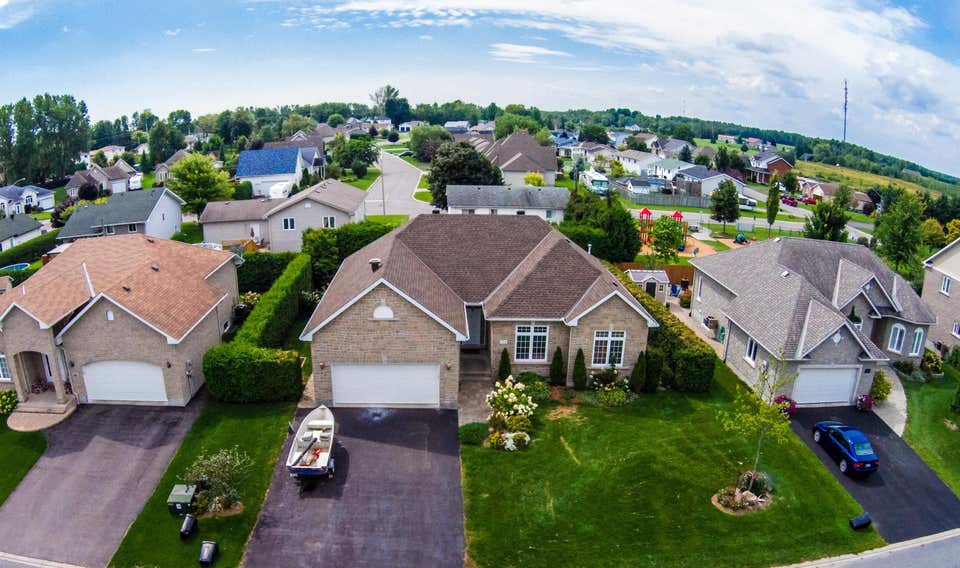
Flood Zone X is the Federal Emergency Management Agency (FEMA) designation for areas with a low to moderate risk of flooding. On flood maps, there are two types of Zone X regions. Unshaded Zone X indicates a minimal risk of flooding while shaded Zone X signifies moderate risk.
While homeowners in Zone X aren’t federally required to carry flood insurance, some lenders and insurers may still require it. Low risk of flooding doesn’t mean no risk, and standard home insurance doesn't cover flood-related damage. If you have a home in an area designated Zone X, flood insurance may still provide valuable protection.
What does Flood Zone X mean?
Flood Zone X refers to an area with either minimal (unshaded Zone X) or moderate (shaded Zone X) flood risk. On older FEMA flood maps, you may see shaded Zone X referred to as Zone B and unshaded Zone X referred to as Zone C. Newer maps use Zone X instead of Zones B and C.
It’s important to know if your home is in a flood zone — and which one it’s in — so you can understand your risk and decide whether flood insurance is right for you.
What’s the difference between shaded and unshaded Zone X?
Put simply, shaded Zone X means moderate risk and unshaded Zone X refers to minimal risk. But how does FEMA actually define those risk levels? First, it’s important to understand some common terms used to discuss floods:
-
500-year flood: A 500-year flood doesn’t refer to a flood that happens every 500 years. Rather, it means there’s a 1-in-500 chance of a flood occurring in any given year (or a 0.2% chance per year).
-
100-year flood: Similarly, 100-year floods don’t happen once every 100 years. Instead, this means the chance of a flood occurring is 1% each year. This makes flood risk a little more likely. Over a 30-year mortgage, there’s a 26% chance of flooding.
So how do those terms impact shaded Zone X and unshaded Zone X?
-
Shaded Zone X is an area of moderate flood hazard, typically between the limits of the 100-year flood and 500-year floodplains. This means the annual risk of flooding in this area is somewhere between 0.2% and 1%. FEMA may also use shaded Zone X to note areas where flooding is expected to be shallow (less than 1 foot deep).
-
Unshaded Zone X represents a minimal flood hazard, as these areas sit outside the 500-year floodplain. This means the annual flood risk in these locations is statistically lower than 0.2%. Such areas may face ponding issues or local drainage problems.
Does Flood Zone X have a base flood elevation?
In higher-risk flood zones, called Special Flood Hazard Areas (SFHA), FEMA establishes a base flood elevation (BFE). This is the height that waters are expected to reach in the event of a 100-year flood. New buildings are generally required to be constructed above this level.
Because Flood Zone X is not considered an SFHA and is lower risk, FEMA does not specify BFEs for Zone X.
Do you need flood insurance in Flood Zone X?
Federal law doesn’t require flood insurance for homes in Flood Zone X, lenders may still require flood insurance even outside high-risk zones. Always verify coverage requirements with your lender.
Even though these areas aren’t considered high-risk, there’s still a chance that homes and their contents can be damaged by floods, especially in shaded Zone X areas. And because flood damage is excluded from coverage in standard home insurance policies, flood insurance is worth considering.
In fact, FEMA reports that almost one-third of all National Flood Insurance Program (NFIP) flood claims come from areas outside high-risk flood areas.
Paying for flood insurance when it’s highly unlikely your home will actually be damaged by a flood may feel like a pain, but flood policies are often less expensive for homeowners in Flood Zone X than in high-risk areas. Flood insurance can be purchased through a private insurer or the FEMA-backed NFIP. Note that NFIP policies have a 30-day waiting period in most cases.
How much does flood insurance cost in Zone X?
According to a report from the U.S. Government Accountability Office, the median cost of flood insurance through the NFIP is $689 a year for a single-family home, based on 2022 data, across all types of properties and flood zones. Many NFIP premiums are still rising toward full risk rates, so current prices may be higher. FEMA’s Risk Rating 2.0 pricing methodology prices each home individually based on its unique flood risks and rebuilding cost, not just its flood zone.
Homes in Zone X may pay less than homes in high-risk zones, depending on the home’s specific flood risk, coverage amount, and rebuilding cost..
How do you find out if your property is in Zone X?
You can determine if your property is in Zone X (or any other designated flood zone) by following the steps below:
-
Go to FEMA’s Flood Map Service Center (msc.fema.gov/) and enter your address into the search box. You can also use longitude and latitude coordinates, if you know those.
-
Click the search button and wait for your map to load.
-
On the results page, you can review your map to see if you’re in Zone X or any other flood zone. You can also download or print the map, as well as download all the map information and data.
If you believe your zone is incorrect on the map, you can ask FEMA to review it through a Letter of Map Amendment or a Letter of Map Revision-Based on Fill. Visit the FEMA website for details.
How can you lower flood insurance premiums in Zone X?
Though flood insurance premiums tend to be relatively low in Zone X, there are still ways to potentially reduce them further, including:
-
Elevating your home, such as with pilings, so water can pass underneath without reaching your living space
-
Installing FEMA-compliant flood-openings (flood vents), which let water flow in and out of spaces like garages and crawl spaces to reduce water pressure during flooding
-
Encouraging your community leaders to join the voluntary Community Rating System (CRS) program to better manage your local floodplain and earn discounts on NFIP coverage
Another way to lower your home insurance costs — whether it’s a standard home insurance policy or flood insurance — is to increase your deductible. Your deductible is the portion of any covered claims you’ll be responsible for, so choose an amount you could pay without financial stress. In general, the higher the deductible, the lower your annual insurance cost.
Frequently asked questions
Is Flood Zone X bad?
No, a home in Flood Zone X is not bad, especially if it’s in unshaded Zone X. The risk of a flood in unshaded Zone X is minimal. Risk is moderate in shaded Zone X. This lower risk means flood insurance rates are typically less expensive in this zone than in higher-risk zones.
What does X mean in a flood zone?
X is FEMA’s designation for a flood zone that is low or moderate risk. Flood Zone X replaced FEMA’s older lettering designations (B and C).
Is Flood Zone A or X worse?
Flood Zone A is higher-risk than Flood Zone X. Flood Zone X is considered a low- to moderate-risk flood zone while Flood Zone A is a high-risk flood zone, where flood insurance is required for most mortgages and more expensive. The table below breaks down core differences between Flood Zone X and Flood Zone A:
|
Flood Zone X |
Flood Zone A |
|
|
Risk level |
Low to moderate |
High |
|
Insurance requirement |
Not federally required; lenders may require it |
Required for federally-backed mortgages |
Can Flood Zone X change over time?
Yes, Flood Zone X designations can change over time. Flood risks in a given area can alter depending on natural shifts in the land, changing weather patterns, and ongoing land development. FEMA routinely works with land surveyors and local engineers to update its flood maps to be as accurate as possible. If your home is remapped into a high-risk zone, your lender may require you to get flood insurance. When needed, FEMA updates flood maps through Letters of Map Change and broader map revisions.

